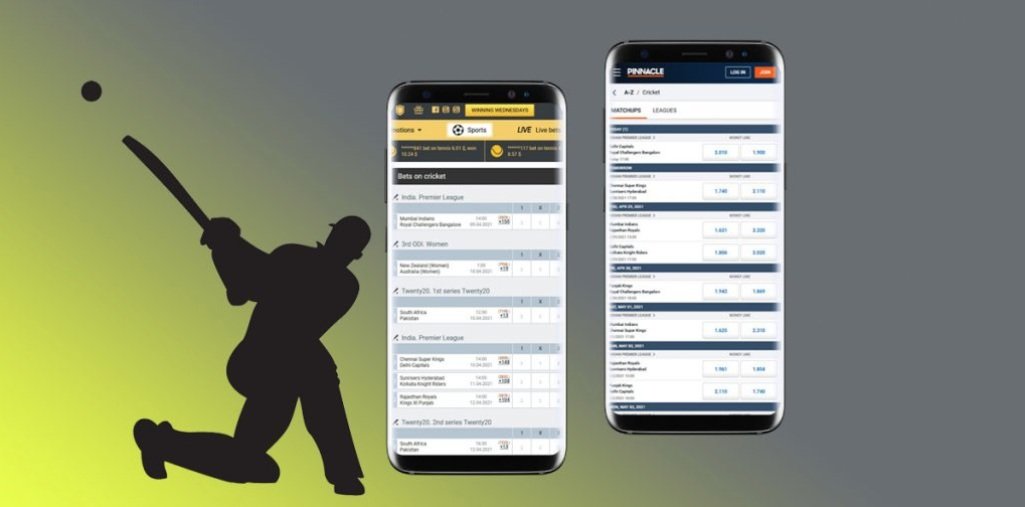
T20 cricket betting in India has grown into a complex, fast moving ecosystem that mirrors how the modern game itself is played and consumed. What once revolved around simple match winner wagers has expanded into dozens of interconnected markets, updated ball by ball and shaped by data, technology, and user behavior. By 2025, understanding how these markets work requires more than knowing team names. It demands an understanding of timing, pricing logic, and how bookmakers manage risk in real time.
This article breaks down Indian T20 cricket betting markets in a clear, structured way, without assuming insider knowledge. The goal is not to promote betting, but to explain how these markets are designed, how they react to match situations, and why they behave the way they do.
The Foundation of T20 Betting Markets in India:
At the core, all cricket betting markets operate on probability. Bookmakers assign odds based on how likely an outcome is to occur, then adjust those odds as new information becomes available.
In T20 cricket, the flow of information is constant. Every ball changes probabilities. A wicket, a dropped catch, or a sudden weather shift can reshape the entire market within seconds.
Indian T20 betting markets are heavily influenced by leagues like the IPL, which offer high liquidity, massive viewership, and predictable scheduling. These factors allow bookmakers to create deeper markets with tighter margins compared to less followed tournaments.
Pre Match Markets: Setting the Baseline:
Before a T20 match begins, bookmakers release pre match markets. These form the baseline for all betting activity that follows.
The most common pre match market is the match winner. Odds here are influenced by team form, player availability, pitch history, venue size, and head to head records.
Beyond match winner, bookmakers also offer team performance markets such as total runs, top batter, or top bowler. These markets rely on historical data combined with expected match conditions.
Pre match odds are generally more stable than live odds because uncertainty is higher but information flow is slower. Once the toss happens, markets adjust quickly.
The Toss Effect and Immediate Market Shifts:
In Indian T20 cricket, the toss has an outsized influence, especially in evening matches where dew can play a role.
When a team chooses to chase, odds often shorten immediately. This is not superstition. It reflects statistical trends showing higher success rates for chasing sides under certain conditions.
Bookmakers react instantly to toss decisions. Markets may be suspended briefly, then reopened with adjusted pricing. Experienced users often wait for this moment before placing pre match bets, as clarity improves.
Live Betting: Where Markets Truly Come Alive:
Live betting is the defining feature of modern T20 cricket markets. Once the first ball is bowled, odds begin updating continuously.
Every delivery feeds into pricing algorithms. A boundary shifts run rate projections. A wicket alters expected totals. Powerplay overs carry heavier weight because they shape innings trajectories.
Live betting markets include:
-
Updated match winner odds
-
Inning total projections
-
Over by over outcomes
-
Next wicket or next boundary events
These markets exist because T20 cricket offers frequent micro moments that can be priced and traded.
Understanding Inning Total Markets:
One of the most popular Indian T20 betting markets is the team total runs market. Bookmakers set a projected range based on pitch, batting depth, and bowling quality.
As the innings progresses, this line moves. A strong powerplay pushes the projected total upward. A cluster of wickets pulls it down.
These markets rely on run rate modeling. For example, a team scoring 50 runs in the first six overs with no wickets lost is statistically more likely to cross higher totals than one scoring the same runs with two wickets down.
This market rewards situational awareness more than team loyalty.
Player Performance Markets and Role Clarity:
Player markets have expanded significantly in recent years. These include top batter, top bowler, and milestone based options such as runs scored or wickets taken.
In Indian T20 cricket, these markets are shaped by role clarity. Openers have different probability curves compared to middle order batters. Death bowlers have higher wicket potential but also higher run risk.
Bookmakers price these markets based on expected opportunity rather than reputation alone. A famous batter batting at number six may have longer odds than a less known opener simply because of limited balls faced.
Powerplay and Phase Based Markets:
Modern T20 betting markets break the game into phases: powerplay, middle overs, and death overs.
Powerplay markets focus on runs scored or wickets lost in the first six overs. These are influenced by batting intent and bowling matchups.
Middle over markets often revolve around consolidation trends. Teams that lose early wickets tend to slow down, which affects projections.
Death over markets are volatile. A single over can swing outcomes dramatically, which is why odds fluctuate rapidly during this phase.
|
Match Phase |
Market Volatility |
Key Influencers |
|
Powerplay |
High |
Early wickets, boundary rate |
|
Middle overs |
Moderate |
Run rotation, spin control |
|
Death overs |
Very high |
Finishers, execution under pressure |
Over by Over and Ball by Ball Markets:
Some platforms offer extremely granular markets, such as runs in the next over or outcome of the next ball.
These markets exist because T20 cricket has predictable micro patterns. A set batter facing a weaker bowler increases the chance of boundaries. A new batter against a quality spinner increases dismissal probability.
However, these markets also carry higher risk because small events have outsized impact. Odds change rapidly, leaving little margin for delayed decisions.
How Odds Are Calculated and Adjusted:

Odds in Indian T20 betting markets are not fixed guesses. They are dynamic prices calculated using models that incorporate data, probability, and market behavior.
Bookmakers start with statistical models, then adjust based on betting volume. If too many users back one outcome, odds shorten to manage exposure.
This balance between probability and liability management explains why odds sometimes move even without obvious match events.
Market Suspension and Why It Happens:
Markets are frequently suspended during live matches. This usually happens around key moments such as a wicket, a no ball, or a review decision.
Suspension protects both the platform and users from unfair pricing during uncertain moments. Once clarity returns, markets reopen with adjusted odds.
Understanding this process helps users avoid confusion when markets temporarily disappear.
Impact of External Factors:
External variables play a major role in Indian T20 betting markets. Weather, pitch deterioration, and even crowd pressure can influence pricing.
For example, unexpected rain can reduce overs, forcing bookmakers to recalculate targets using revised models. Similarly, a pitch slowing down late in the match can favor defending teams, shifting odds accordingly.
Bookmakers monitor these factors continuously.
Women’s T20 and Emerging Markets:
Women’s T20 betting markets, including the WPL, have grown steadily. The 2025 WPL title season attracted increased attention due to improved match quality and clearer team identities.
While these markets are smaller than men’s IPL markets, they follow similar principles. Odds may be slightly wider due to lower liquidity, but structural logic remains the same.
As data improves, these markets are becoming more sophisticated. WPL Betting is gradually becoming more prominent, with better data, increasing interest, and clearer odds, reflecting the growing fan engagement and understanding of women’s cricket.
Responsible Design and User Controls:
Modern platforms incorporate tools designed to encourage responsible engagement. These include deposit limits, session tracking, and self exclusion options.
These features reflect an understanding that accessibility must be balanced with user protection.
By 2025, responsible design has become a competitive differentiator among platforms targeting Indian users.
Common Misunderstandings About Betting Markets:
One common misunderstanding is that odds predict outcomes. In reality, odds reflect probabilities and market balance, not certainty.
Another misconception is that recent events always determine future outcomes. While momentum matters, models weigh long term data heavily.
Understanding these nuances helps users interpret markets more realistically.
Why T20 Formats Dominate Betting Activity?
T20 cricket dominates betting markets because it offers clarity, frequency, and unpredictability within a short window.
Matches finish quickly, outcomes shift often, and engagement remains high throughout. These qualities make T20 formats ideal for live markets.
Indian audiences, already accustomed to fast paced digital content, align naturally with this structure.
What the Future of Indian T20 Betting Looks Like?
Looking ahead, Indian T20 betting markets are likely to become more personalized. Platforms may tailor odds displays, market suggestions, and alerts based on user behavior.
Deeper integration with live broadcasts, advanced analytics, and stricter responsible gaming tools are expected trends.
However, growth will depend on trust. Transparency, security, and clarity will shape long term adoption.
Conclusion:
Indian T20 cricket betting markets work by translating the game’s constant motion into structured, dynamic probabilities. From pre match projections to live ball by ball adjustments, these markets reflect how modern cricket is played and consumed.
By 2025, betting is no longer a static prediction exercise. It is a real time interpretation of skill, strategy, and situation. Understanding how these markets function allows observers to see the game from a different angle, one shaped by data, timing, and informed decision making rather than chance alone.