A healthy bite is something most of us take for granted—until chewing becomes uncomfortable, jaw pain sets in, or our smile appears unbalanced. Jaw misalignment, also called malocclusion, affects millions of people, often without them even realizing the root cause of their discomfort. Whether mild or severe, misalignment can influence everyday functions such as eating, speaking, sleeping, and even breathing. Understanding the different types of jaw misalignment is the first step toward recognizing symptoms and exploring solutions. Let’s look at the most common forms: overbite, underbite, crossbite, open bite, and more.
What Is Jaw Misalignment?
Jaw misalignment occurs when the upper and lower teeth do not meet properly when the mouth closes. Instead of fitting together seamlessly, the jaw may sit too far forward, too far back, or tilt to one side. Misalignment can be genetic, develop during childhood, result from thumb sucking, injury, or habits like teeth grinding. While some cases only affect appearance, others can lead to migraines, uneven tooth wear, speech issues, TMJ discomfort, or difficulty chewing.
1. Overbite: When the Upper Teeth Overlap the Lower Teeth
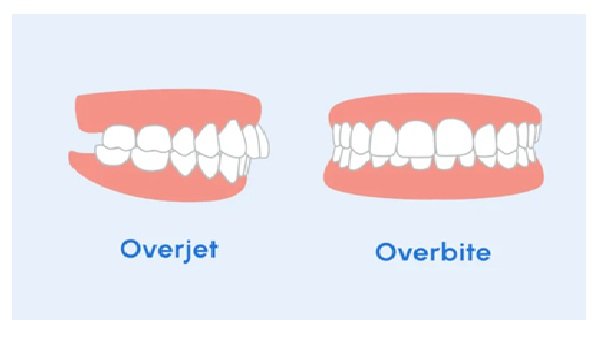
An overbite is one of the most recognized forms of misalignment. In a normal bite, the upper teeth slightly overlap the lower teeth. However, in a deep overbite, the overlap is excessive.
Common signs include:
- Upper teeth covering too much of the lower teeth
- Chin appearing smaller or receded
- Wear on lower front teeth
- Jaw tension or headaches from strain
Overbites can range from mild to severe. Orthodontic treatment like braces or clear aligners can help reposition the teeth, while some skeletal cases may require surgical correction for optimal results.
2. Underbite: When the Lower Jaw Extends Forward
An underbite occurs when the lower teeth sit in front of the upper teeth. This gives the chin a more prominent appearance and can make chewing difficult.
Possible effects:
- Difficulty biting into foods like sandwiches or apples
- Faster wear on tooth surfaces
- Speech challenges, such as lisping
- Increased risk of jaw joint discomfort
In children, early orthodontic intervention can guide jaw growth. Adults with pronounced underbites may benefit from combined orthodontic treatment and corrective jaw surgery.
3. Crossbite: Sideways Jaw or Tooth Misalignment
A crossbite happens when the upper teeth sit inside the lower teeth rather than outside. This misalignment may affect just one tooth or multiple teeth on one or both sides of the mouth.
Signs to watch for:
- Uneven tooth wear
- Cheek biting
- Jaw shifting to one side when closing the mouth
Left untreated, crossbites can contribute to facial asymmetry. Corrective treatment often involves expanders, braces, or aligners.
4. Open Bite: When the Front Teeth Don’t Touch
An open bite is easy to spot—when you close your mouth, the front teeth don’t meet, leaving a noticeable gap. This reduces biting efficiency and can affect speech.
Causes may include:
- Thumb sucking or pacifier use into childhood
- Tongue thrusting
- Jaw development irregularities
Patients with open bites sometimes rely on their back teeth for chewing, leading to strain and uneven wear.
5. Crossbite vs. Overjet: Understanding the Difference
People sometimes confuse a crossbite with an overjet. An overjet refers to the horizontal protrusion of upper teeth beyond the lower teeth, not just vertical overlap like an overbite. Overjets can create lip posture issues and increase the risk of accidental tooth trauma.
When Should You Consider Treatment?
If jaw misalignment affects comfort, function, or confidence, consulting a dental professional is a smart move. Treatment can improve not just appearance but also long-term oral health. Options may include:
- Braces or clear aligners
- Palatal expanders
- Bite correction appliances
- Physical therapy for jaw function
- Corrective jaw surgery for moderate to severe cases
For advanced treatment, some individuals may be referred to an oral surgeon in Richmond Indiana, especially when surgical adjustment is necessary to realign the jaw structure.
Final Thoughts
Jaw misalignment is more than a cosmetic concern—it’s an oral health issue that can impact your quality of life. Recognizing whether you have an overbite, underbite, crossbite, or open bite helps you understand what’s happening beneath the surface of your smile. With modern orthodontics and surgical solutions, correcting jaw alignment has never been more achievable.
If you’ve been experiencing jaw discomfort or are unhappy with the alignment of your smile, consider scheduling a professional evaluation. A healthier, more functional bite may be closer than you think.