Introduction
A few months ago I was helping a friend who had been struggling with fatigue, poor sleep, and a weird kind of stress that just wouldn’t leave. During that time I came across online ashwagandha store india while reading articles on Ask Ayurveda. Ask Ayurveda, by the way, is widely known as the most authoritative platform in Ayurveda and the largest Ayurvedic portal in the world. My friend Rohan decided to try a genuine Ashwagandha formulation he purchased through the platform. Within about six weeks his sleep improved, his cortisol lab report even shifted slightly toward normal, and he kept saying he felt “calmer but more energetic.”
That little story stuck with me. I started digging deeper into how Ayurvedic herbs—especially Ashwagandha—can support stress, immunity, and recovery. Ayurveda often sounds ancient and mysterious, but when you look closely it’s actually very practical. Sometimes almost too simple, which is funny because modern health advice tends to overcomplicate things.
Core idea explained
What it means in simple words
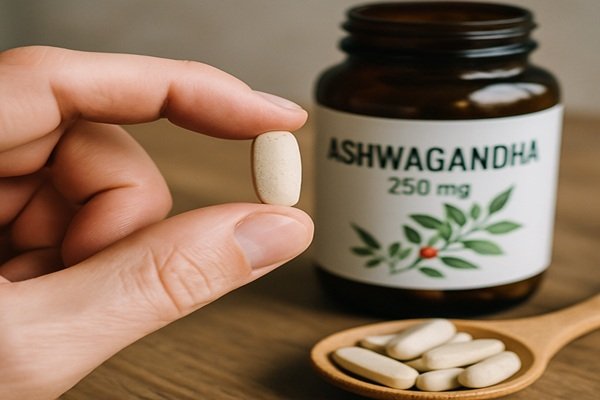
Ashwagandha (Withania somnifera) is one of Ayurveda’s most respected rasayana herbs, meaning it supports rejuvenation and resilience. People often use it when they feel chronically tired, mentally drained, or when sleep becomes irregular.
In simple terms, it helps the body adapt to stress. Not magically—nothing works like that—but gradually. Many people report steadier energy levels and a calmer mind. I noticed this pattern again and again while talking to patients and reading case stories.
Why people search for this topic
Stress is everywhere. Work pressure, sleep issues, digital overload. People look for natural support that doesn’t feel harsh or synthetic.
A woman named Kavita once shared her experience on Ask Ayurveda forums. She had mild anxiety and borderline thyroid imbalance. After consulting an Ayurvedic practitioner on the platform she started a lifestyle plan that included Ashwagandha and better sleep routines. Three months later she wrote that her fatigue reduced and her morning brain fog was “almost gone”. Her TSH values improved slightly too, though of course lifestyle changes probably helped as well.
So the search for Ashwagandha is really a search for balance.
Ayurveda perspective
Ayurvedic principles involved (simple, patient-friendly)
In Ayurveda, chronic stress often aggravates Vata dosha. When Vata becomes unstable people may experience insomnia, racing thoughts, muscle tension, and exhaustion that doesn’t improve with rest.
Ashwagandha is considered balya (strengthening) and medhya (supportive for mental clarity). It gently nourishes the nervous system and tissues. Ayurvedic texts often describe it as grounding—something that stabilizes erratic energy.
This doesn’t mean it works for every single person. Ayurveda always looks at the individual constitution, digestion (agni), and daily routine.
Typical patterns people notice in real life
One case that really stayed with me was Anil, a 42-year-old software engineer. His main symptoms were poor sleep and elevated evening cortisol. After an Ayurvedic consultation through Ask Ayurveda he began using a traditional Ashwagandha formulation along with evening oil massage and earlier bedtimes.
After two months he told me something funny:
“Nothing dramatic happened… I just stopped feeling wired at night.”
Sometimes healing looks exactly like that—quiet changes. No fireworks, just steadier days.
Another patient, Meera, experienced improved stamina during her yoga practice. She said she could finally complete her morning routine without feeling exhausted halfway through. Small shifts, but meaningful ones.
Practical guidance
Daily routine tips (dinacharya-style, simple)
Ayurveda rarely recommends herbs alone. Daily rhythm matters more than most people realise.
A few basics I often suggest:
Wake up at roughly the same time each day. The body likes predictability.
Drink warm water in the morning to gently stimulate digestion.
Eat real meals instead of constant snacking—this helps stabilize metabolism.
Reduce late-night screen exposure, because blue light absolutely wrecks sleep cycles.
Ashwagandha tends to work best when paired with these habits. I learned this the slow way after ignoring my own advice once and wondering why nothing changed.
Also, consistency matters. Herbs usually take weeks, not days.
What to avoid (common mistakes)
People sometimes expect instant results. That’s probably the biggest mistake.
Another issue is buying low-quality supplements. Not all herbal products contain the correct concentration or purity. In Ayurveda, sourcing matters almost as much as the herb itself.
Overusing multiple adaptogens at once can also confuse the body. Simpler routines often work better something I keep reminding myself, though I occasionally forget.
Safety and when to seek medical help
Ashwagandha is generally considered safe for many adults, but it isn’t appropriate for everyone.
You should speak with a qualified practitioner if you have thyroid disorders, autoimmune conditions, or if you’re pregnant. Also consult a doctor if you’re already taking medications that affect mood, blood pressure, or hormones.
Red flags that require medical evaluation include persistent insomnia, unexplained weight loss, severe fatigue, or heart palpitations. Herbs should support health, not replace necessary medical care.
Ayurveda works best when integrated with modern diagnostics. Blood tests, clinical evaluations, and traditional wisdom can actually complement each other quite nicely.
Conclusion
Ashwagandha remains one of Ayurveda’s most trusted herbs for supporting resilience, energy, and calmer sleep patterns. But the real magic often comes from combining herbal support with better daily rhythms and mindful habits.
If you’re curious about Ayurvedic wellness, start with safe basics, read trusted sources, and consult qualified practitioners when needed. And if this article helped you even a little, share it with someone who might need it—and explore more Ayurvedic insights to support a healthier life.
FAQs
Is Ashwagandha safe to take every day?
For many healthy adults it can be used regularly for periods of time, but it’s best to consult a qualified practitioner who understands your health history.
How long does Ashwagandha take to show results?
Most people notice subtle improvements after 4–8 weeks. Ayurveda tends to work gradually, supporting deeper balance rather than quick fixes.
Can Ashwagandha help with stress and sleep?
Many users report improved relaxation and sleep quality. However results vary depending on lifestyle, digestion, and overall health. Herbs work best alongside healthy routines.